
Dr. Frederick B. Glaser Award
Leaders in the field of Addiction Medicine
The Glaser Award Honors Individuals Who Have Demonstrated Sustained Commitment, Leadership, and Persistence in Advancing the Prevention, Treatment, and Recovery of Substance Use Disorders Throughout Their Careers
A PIONEER OF ADDICTION MEDICINE
IN NORTH CAROLINA
This award was developed to honor one of the pioneers of Addiction Medicine in North Carolina. Dr. Frederick Glaser demonstrated a commitment to this field of medicine from early in his career.
He received his M.D. from Harvard University in 1959 and then served his residency at the U.S. Public Health Service Narcotics Hospital in Lexington, Kentucky. Glaser went on to have a distinguished career in the field of substance use disorders, including the study of opiates and alcohol.
He has held a variety of positions in the United States and Canada, serving as the director of the University of Michigan Substance Abuse Research Center from 1989 to 1994 before becoming Professor of Psychiatry and Director of the Division on Substance Abuse at the East Carolina University School of Medicine.
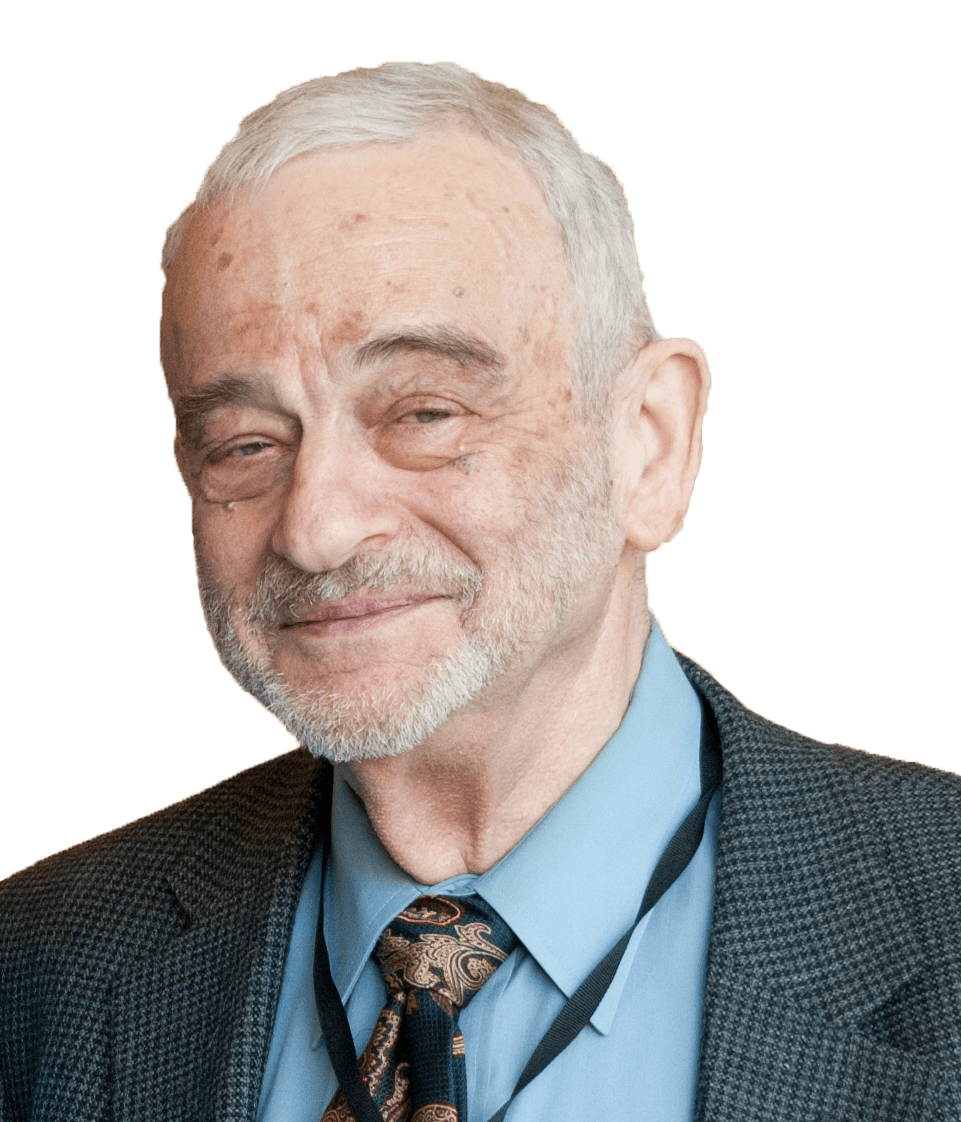
Dr. Frederick Glaser
GLASER RECIPIENTS
Steven Prakken, MD
2025
Hendree Jones, PhD
2025
Mel Ramage, MSN, FNP-BC, CARN-AP, LCAS
2023
Eric Morse, MD
2021
Blake Fagan, MD
2021
Stephen Wyatt, DO, FAOAAM
2019
Ashwin Patkar, MD, MRCPSYCH, FASAM
2017
Jana Burson, MD
2015
Robert E. Gwyther, MD, MBA
2014
James W. Finch, MD
2013
David Ames, MD
2012
Theresa Edmondson
2011
DeWayne Book, MD
2010
Pam Silberman, DRPH
2010
NC Representative Verla Insko
2010
NC Senator Martin Nesbitt
2010
NOMINATIONS FOR THE GLASER AWARD
The individual or individuals nominated should have demonstrated significant contributions to the citizens of NC in the field of alcohol or other substance use disorders, in one or more of the following areas:
- providing treatment for those suffering from addictive disorders
- education: particularly related to training of medical or other health care professionals
- research
- leadership in the political arena to increase funding or access to care
Contributions can be in one or more of these areas but should preferably have impact beyond the personal or local realm. The person’s activities should have demonstrated ongoing commitment and persistence of effort over a significant period of time. The extension of the impact of these activities beyond NC to the national level would be of significance but not critical or necessary.